Get In Touch
Phone: (828) 476-0182
Address: 82 Craven Street, Asheville, NC 28806
Join Our Newsletter
Sign Up for the Latest River Row Updates!

Rain in Asheville is not a problem. It’s actually kind of the point.
The Blue Ridge Mountains average over 50 inches of precipitation a year. That’s what keeps them so green, so lush, and so full of the waterfalls you came here to see. But on the days when the clouds move in and the drizzle starts, you don’t need a backup plan. Asheville’s indoor scene is stacked — with world-class art, legendary architecture, boutique shopping from local artists, one of the most celebrated estates in the country, and a spa unlike anywhere else in the Southeast.
This is your rainy day guide to Asheville, NC. Whether you’re spending an afternoon under the clouds or a full day exploring what the city does best indoors, this itinerary has you covered.
There is no better place to begin a rainy day in Asheville than the Grove Arcade. Built in 1929, this architectural masterpiece at 1 Page Avenue in the heart of downtown was designed as “a palace of dining and shopping enchantment” — and a century later, it still earns that description.
Step through the doors and look up. Light streams in through a vaulted glass ceiling, casting geometric shadows on the marble floors below. Ornate wrought-iron staircases spiral between levels, flanked by carved stone details and cascading greenery. E.W. Grove, the man behind both the Arcade and the Grove Park Inn, called it the most elegant building in America, and from the inside, it’s hard to argue.
The Arcade is home to more than 35 locally-owned shops, galleries, and restaurants. Spend the morning browsing boutiques that carry handmade jewelry, Appalachian crafts, specialty food, and gifts you won’t find anywhere else. When you’re ready for coffee and something to eat, Restaurant Row along Page Avenue delivers everything from quick Mediterranean bites to leisurely sit-down meals.
Don’t leave without stopping into the Battery Park Book Exchange & Champagne Bar. This two-story used bookstore stocks thousands of titles across dozens of categories, and the wine list runs to more than 80 selections. Where else in the world do you browse Civil War history and sip champagne before noon? Only in Asheville.
Plan for: 1.5–2 hours. The Arcade is open Monday–Saturday 9am–7pm, Sunday 10am–5pm. Restaurant Row stays open later. Visit grovearcade.com for a current list of shops and restaurants.
From the Grove Arcade, it’s a short walk to Pack Square and the Asheville Art Museum — one of the best things to do in Asheville on a rainy day, full stop. The museum anchors downtown’s cultural scene with over 7,500 works focused on 20th- and 21st-century American art, with particular depth in Appalachian craft, the legacy of the famous Black Mountain College, and Cherokee artistic traditions.
The building itself is worth the visit. After a $24 million renovation, the museum reopened in 2019 with 54,000 square feet of gallery space, including a soaring glass atrium showcasing large-scale contemporary works. Before you even buy a ticket, the two-ton glass orb sculpture “Reflections on Unity” by Henry Richardson greets you outside on Pack Square.
Inside, expect to move through 15 to 20 rotating and permanent exhibitions. The museum regularly hosts nationally recognized traveling shows alongside its deep collection of regional and national work. The ArtPLAYce makerspace on the lower level invites hands-on creativity for visitors of all ages — an especially good option if you’re traveling with kids.
After you’ve taken in the galleries, head up to Perspective Café for lunch. The rooftop space serves locally-sourced food and drinks with 360-degree views of Asheville and the surrounding mountains — even more dramatic when clouds are rolling in. On a rainy afternoon, a museum lunch with a mountain view hits differently.
Plan for: 2–3 hours. Open Wednesday–Sunday, 11am–6pm (Thursdays until 9pm). Closed Mondays and Tuesdays. Admission: Adults $20, Seniors 65+ $15, Children 6–17 and college students $10, children under 6 free. First Wednesday of each month, free admission 3–5pm. Visit ashevilleart.org to plan your visit and check current exhibitions.
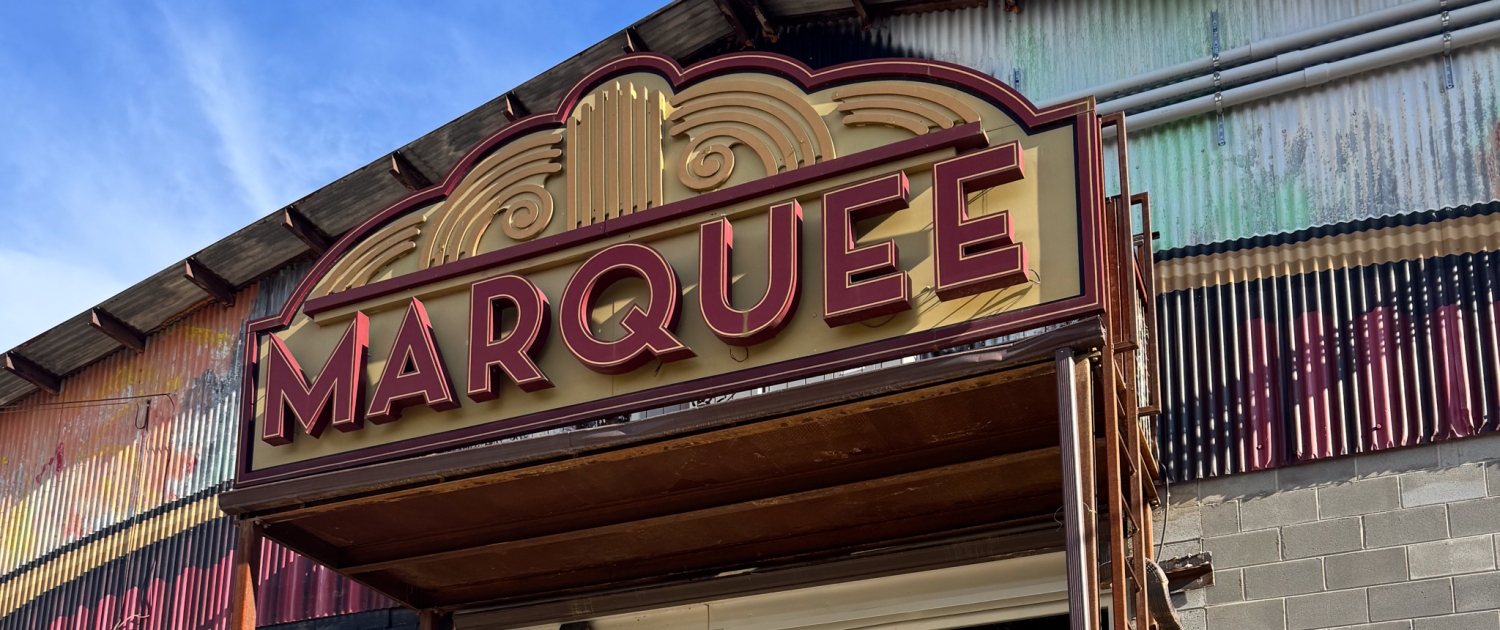
Photo Credit: Tanya Triber
Once you’ve had your fill of the art museum, it’s time to explore the other side of Asheville’s creative world: the River Arts District. And when it’s raining in the RAD, Marquee is exactly where you want to be.
Marquee is a 50,000-square-foot marketplace on Foundry Street that houses over 300 artists, antique dealers, and small businesses — all under one spectacular industrial roof. The space is part street market, part art gallery, part treasure hunt. You can spend two hours here and not see everything. We’ve tried.
What makes Marquee feel different from a typical shopping destination is the caliber and variety of what’s inside. Expect original paintings, handmade jewelry, vintage furniture, Appalachian crafts, home décor, apparel, and objects you won’t find anywhere else. Most of what’s here comes directly from the artists and curators who made it. When you buy something at Marquee, you’re taking home a piece of Asheville’s creative community.
The story of Marquee is worth knowing, too. Hurricane Helene submerged the space under 15 feet of water in September 2024. It reopened in September 2025 — rebuilt, restocked, and as vibrant as ever. Shopping here now is a small act of support for the artists and small businesses that came back.
Plan for: 1–2 hours. Open daily 11am–6pm. Located on Foundry Street in the River Arts District. Visit marqueeasheville.com for more details.
Rain is arguably the best weather in which to visit the Biltmore Estate. Crowds are lighter, the misty mountain backdrop turns cinematic, and you have every reason to linger inside the most breathtaking house in America.
George Vanderbilt’s 250-room French Renaissance château, completed in 1895, sits on 8,000 acres just outside downtown Asheville. The self-guided mansion tour alone takes two to three hours, moving through rooms that showcase the Vanderbilt family’s art collection, antique furnishings, and the working infrastructure of a 19th-century estate. The basement level — with its bowling alley, indoor pool, and servants’ quarters — is often a highlight for first-time visitors.
On a rainy day, lean into the full indoor experience. The winery at Antler Hill Village offers tastings of Biltmore’s estate-produced wines, which range from approachable to genuinely excellent. The Bistro and The Dining Room serve seasonal menus featuring ingredients grown on the estate, making lunch or dinner here more than just a meal. The campus’s indoor retail shops and working estate spaces give you plenty to explore even when the gardens are wet.
If you’ve visited Biltmore before, look into the add-on experiences: behind-the-scenes tours, rooftop access, the audio guide for deeper context on the mansion’s art and architecture. It’s the kind of place where returning visitors consistently discover something new.
Plan for: Half a day to a full day. Admission starts around $80–$130 depending on date and season, with online booking available. Book in advance for peak season and holiday visits. Visit biltmore.com for tickets, hours, and current special experiences.
credit: Asheville Salt Cave
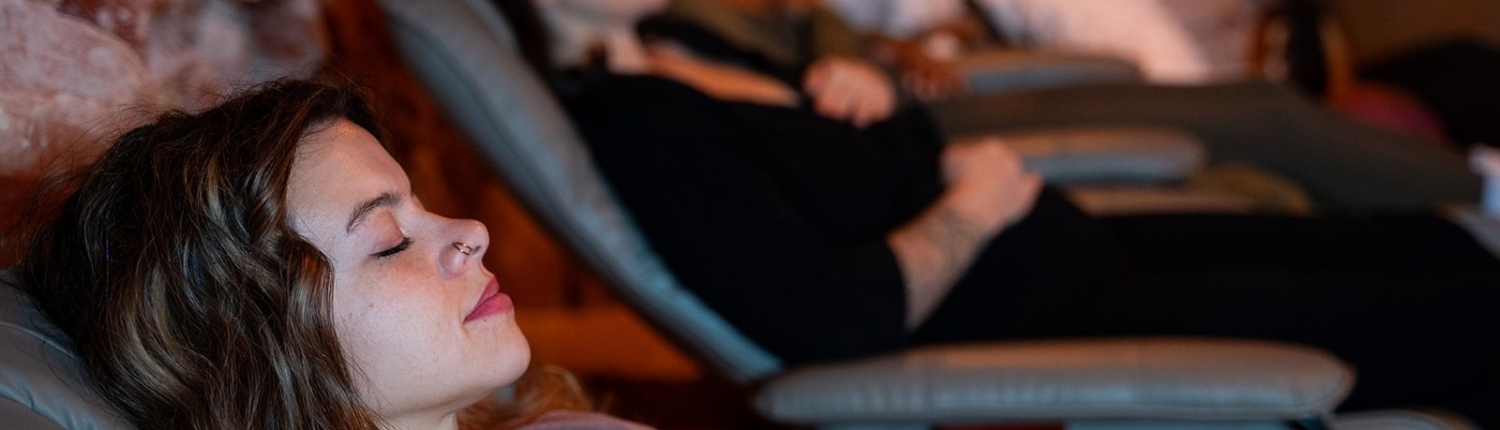
There’s no better way to end a rainy day in Asheville than an hour inside the Salt Cave. Located in downtown Asheville, the Asheville Salt Cave & Spa is genuinely one of the most distinctive wellness experiences in the Southeast — and one of those places that’s hard to explain until you’ve done it.
The cave itself is built from 30 tons of pure pink salt sourced from the Himalayan Mountains, the Dead Sea, the Celtic Sea, and Polish salt mines. The space maintains the specific temperature and humidity of a natural salt mine, creating a micro-climate that’s anti-bacterial and intensely saturated with negative ions. Your cave host gives a brief intro to salt therapy, dims the lights, puts on ambient music, and then leaves you to recline in a lounge chair or Thai mat for 45 minutes. Most people fall asleep. That’s the idea.
Community sessions accommodate up to 10 guests and run on the hour. If you’re traveling as a couple or with friends, book a private session for the whole cave. For the full spa experience, combine a cave session with one of their therapeutic massages — including the signature couples massage held inside the cave itself — or the self-service Turkish Hammam, a steam bath experience set in a mosaic-adorned sanctuary inspired by ancient Turkish and Moroccan bathing traditions.
Socks are required in the cave. Leave your phone in the locker. Breathe deeply. That’s it.
Plan for: 1–2 hours, longer if you add spa services. Hours: Monday & Tuesday 11am–5pm, Thursday–Saturday 10am–7pm, Sunday 11am–5pm. Reservations strongly recommended. Book at ashevillesaltcave.com.
If you’ve got a second rainy day or want to mix and match, Asheville has no shortage of indoor options. A few more worth adding to your list:
French Broad Chocolate Lounge. There is something about warm drinking chocolate — actual melted chocolate, not cocoa powder — while rain hits the windows at Pack Square that is hard to beat. The downtown location on Pack Square is cozy, the desserts are outstanding, and the bean-to-bar chocolate is made right here in Asheville.
Malaprop’s Bookstore & Café. An independent bookstore with a curated selection of literary fiction, regional authors, and local interest titles, plus an attached café serving locally roasted coffee. This is a great place to spend a quiet afternoon.
A Cozy Brewery Afternoon. Asheville’s taprooms were built for exactly this. Burial Beer’s South Slope taproom, Wicked Weed Funkatorium’s barrel-aged sour program, and Hi-Wire Brewing all offer comfortable indoor spaces to settle in with something interesting on a gray afternoon. Rain makes a good stout taste better. Science.
River Arts District Studio Visits. Rain permits you to slow down in the RAD’s working studios. Glassblowing at Small Batch Glass, ceramics at Gallery Mugen, and the rotating artists at Phil Mechanic Studios all welcome visitors to watch and ask questions. The studios are warm, the conversations are genuine, and you’ll leave with a much better appreciation for what makes Asheville’s art scene real.

River Row Suites
Here’s the thing about Asheville in the rain: it’s actually one of the best times to visit. The crowds thin out. The mountains look dramatic. Everything slows down just enough to let you actually enjoy the city instead of rushing through it.
River Row Suites puts you in the River Arts District — minutes from Marquee, the Biltmore, and downtown — with free parking so you can get in and out without the downtown garage shuffle. Our spacious suites come with full kitchens, king beds, and everything you need to dry off and reset between adventures. Pets welcome, too.
Rain or shine, Asheville has something worth experiencing every day. Come ready for both, and you’ll never be disappointed.
Book your stay at riverrowasheville.com and start planning your Asheville getaway — whatever the forecast.
Spring in Western North Carolina is something else. The air smells like damp earth and blooming rhododendron, waterfalls are running harder than they will all year, and the forest floor erupts with wildflowers that disappear almost as fast as they arrive. Trillium, bloodroot, trout lilies, spring beauties — these ephemeral wildflowers have a short window, and catching them on the trail feels like winning the lottery.
Here’s the good news for spring hikers: you don’t need the Blue Ridge Parkway to find incredible trails. The Parkway closes intermittently in spring due to weather, late-season snow, and road conditions — sometimes for days, sometimes for weeks. All five hikes on this list are fully accessible without it, so you can plan your trip without gambling on whether your scenic byway is open.
Spring also means one thing for waterfalls: volume. Frequent rainfall and snowmelt push streams to their peak flow, turning modest trickles into thundering cascades. If you want to see WNC’s waterfalls at their most dramatic, spring is your season.
These five hikes cover a range of difficulty levels, distances, and scenery types — from a family-friendly waterfall walk to a challenging ridgeline with 360-degree gorge views. All are within an hour of Asheville. Here’s where to go.
Distance: 2.3 miles round trip (lower falls); 3.5-mile loop with Ridge Trail | Difficulty: Easy to Moderate | Dogs: Yes, on leash | Drive from Asheville: About 30 minutes
If you’ve been looking for a waterfall hike that delivers for the whole group — kids, dogs, beginners, and experienced hikers alike — Catawba Falls is it. Located just east of Asheville near Old Fort, this trail follows the Catawba River through a shady, forested valley to a spectacular 205-foot cascading lower falls.
The trail reopened in 2024 after a two-year construction closure, and it’s significantly upgraded. New boardwalks, a 60-foot observation tower, and 580 stairs now take hikers safely to the 80-foot upper falls. If the stairs sound daunting, just hike to the lower falls and back — it’s an easy 1.1 miles one way and worth every step. Looking for a longer adventure? The Catawba Ridge Trail creates a 3.5-mile loop back to the parking lot.
A heads up for dog owners: the metal grate stairs leading to the upper falls aren’t easy for most dogs to navigate. If you’re hiking with your pup, stick to the River Trail to the lower falls and back — still a fantastic outing. Also note that some post-Hurricane Helene repairs are ongoing at the site; check the USFS website before your visit for any current closures.
Spring rainfall makes this one especially rewarding. The falls run at full force, the mist keeps things cool, and the moss on the rock face turns an almost impossible shade of green. Parking is at the end of Catawba River Road off Exit 73 on I-40 — the lot fills fast on weekends, so arrive early.
Best for: Families, beginners, dog owners, waterfall chasers. One of the most accessible great hikes near Asheville.
Distance: 4.8-mile loop | Difficulty: Moderate | Dogs: Yes, on leash (use caution at the exposed summit) | Drive from Asheville: About 40 minutes
Most people visiting Pisgah head straight to Looking Glass Rock — and end up in a long parking line to prove it. John Rock, its quieter neighbor, sits just down the road and offers the same sweeping views of the Davidson River valley with a fraction of the crowd. If you’ve got a moderate fitness level and a full morning to spare, this loop delivers.
The trailhead sits at the Pisgah Center for Wildlife Education (fish hatchery) parking lot off Highway 276. You’ll start on the orange-blazed Cat Gap Loop Trail, crossing a footbridge over the Davidson River and climbing through hardwood forest. Spring hikers are in for a treat: the cove forest along the Cat Gap Loop is one of the best wildflower areas in Pisgah, with trillium, wild geranium, and spring beauties lining the path in April and early May. Listen for Cedar Rock Falls about a mile in — a short side trail drops down to it.
At the 1.2-mile mark, you’ll turn right onto the yellow-blazed John Rock Trail. The climb gets steeper through rhododendron, then opens onto the broad granite summit at 3,209 feet. The view across the valley to Looking Glass Rock is outstanding, and the open rock face makes a perfect lunch spot.
A word of caution: John Rock’s summit is unfenced granite with sheer drop-offs on the edges. Keep your dog leashed, and kids close.
The trail continues from the summit back to the Cat Gap Loop and descends to the Davidson River, completing the loop. The whole thing takes about 2.5 to 3 hours at a comfortable pace.
Best for: Hikers with some trail experience, wildflower enthusiasts, dog owners looking for a challenge, anyone who wants Looking Glass views without the Looking Glass crowds.
Distance: 5.1 miles round trip | Difficulty: Moderate | Dogs: No — trail passes through private land; no dogs permitted | Drive from Asheville: About 25 minutes
This is one of the most underrated hikes near Asheville, and it’s practically in the backyard. Strawberry Gap sits just off Highway 74A in Gerton, on the Eastern Continental Divide between Asheville and the Hickory Nut Gorge. The trail climbs 1,200 feet through boulder-strewn forest and rhododendron thickets to a grassy summit bald at 3,760 feet called Blue Ridge Pastures.
The payoff is genuinely spectacular. About 1.5 miles in, you’ll hit Ferguson Peak — a rocky outcrop with sweeping westward views toward Fairview and Asheville, with the Great Smoky and Plott Balsam Mountains in the distance on a clear day. Push on another 1.5 miles to Blue Ridge Pastures for panoramic views looking straight down the Hickory Nut Gorge, with Bearwallow Mountain and Little Pisgah Mountain in the foreground and the Black and Craggy Mountains behind you.
The trail passes through private land protected by conservation easement, which is why there’s one firm rule: no dogs, no exceptions. Leave your pup at River Row this time. The trail is well-maintained with log steps on steeper sections, and the large gravel parking lot off 74A makes access easy.
Spring is an excellent time to hike Strawberry Gap — rhododendron starts blooming along the trail in late April and May, and the views are clear before full summer foliage fills in. This one is managed by Conserving Carolina; follow trail rules and stay on the marked path.
Best for: Solo hikers, couples, and groups without dogs. Ideal for anyone who wants a real climb and a panoramic summit payoff close to Asheville.
Distance: 4.0 miles round trip | Difficulty: Moderate | Dogs: Yes, on leash | Drive from Asheville: About 45 minutes
Big Bradley Falls is a 75-foot waterfall tucked into a narrow gorge on Cove Creek in the Green River Gameland near Saluda. The falls are genuinely impressive — powerful, moody, and a little wild — and in spring, when the creek runs high from recent rain, they’re extraordinary.
The Lower Trail approach — accessible from a parking area on Green River Cove Road — follows an old forest road and trail along Cove Creek for about two miles to the falls. The trail passes through beautiful, dense hardwood forest, with wildflowers dotting the forest floor in spring. There’s a creek crossing, so expect to get your feet wet; water shoes or waterproof boots are worth wearing. The views of the surrounding hills and forest along the way make the walk there as enjoyable as the destination.
Big Bradley Falls can be a dangerous area. People have died here, primarily from attempting to access the base of the falls from above via the old Holbert Cove Road overlook trail, which requires a rope descent down a cliff. That approach is not recommended. The Lower Trail route described here is the safer option and does not involve cliff climbing. Still, use good judgment near the falls — the rocks are slippery, and climbing up and around the falls is not recommended.
This trail is off the beaten path and sees lighter traffic than many Pisgah area hikes, which makes it ideal for hikers who want the experience without the crowds. The Green River Gameland is also managed for hunting — check seasonal regulations before your visit and wear blaze orange during hunting season.
Best for: Experienced hikers, adventurous families, waterfall seekers looking for something off the typical tourist circuit, and dog owners who want a longer adventure.

photo credit: Tanya Triber
Distance: 4.5 miles round trip | Difficulty: Challenging | Dogs: Yes, on leash | Drive from Asheville: About 55 minutes
If you’ve hiked most of the “easy wins” near Asheville and you’re ready for something that earns its views, Shortoff Mountain is calling your name. Located in the Linville Gorge Wilderness — often called the Grand Canyon of the East — this 4.5-mile out-and-back climbs 1,200 feet to the rim of one of the wildest gorges in the eastern United States.
The first mile is the work. You’ll climb steadily on a rocky trail with switchbacks, with views of Lake James opening up behind you as you gain elevation. Two wildfires in 2002 and 2007 cleared much of the tree cover on the lower slopes, which means the views start almost immediately — and also means this section heats up fast in summer. Spring is the ideal season: temperatures are cooler, mountain laurel and rhododendron bloom along the upper trail, and the lack of full foliage means even wider views than you’d get in August.
Once you reach the plateau, the trail levels and becomes one of the more rewarding ridgeline walks in WNC. Rocky outcrops with 360-degree views of Linville Gorge, Lake James, and the distant peaks of Table Rock and Hawksbill appear around every bend. There’s a natural pond near the summit — a rare sight on a mountaintop — and a final set of outcrops that overlook Table Rock make a perfect turnaround point and picnic spot.
The trailhead is at the end of Wolf Pit Road near Nebo (accessible without the Blue Ridge Parkway via I-40). Parking is limited, so arrive early on weekends. Note that weekend and holiday camping permits are required from May 1 through October 31.
Best for: Fit hikers ready for a real challenge, photographers, ridge-walking enthusiasts, and anyone who wants an uncrowded look at one of WNC’s most dramatic landscapes. Dogs are welcome on leash.
Spring hiking in WNC is spectacular, but the mountains operate on their own schedule. Here’s what to know before you go:
Western North Carolina has some of the best spring hiking in the country. The wildflowers, the waterfalls, the ridge views — all of it is within an hour of Asheville, and you don’t need to fight summer crowds to experience it.
River Row Suites sits in the heart of the River Arts District, minutes from I-40 and I-26 — your two main arteries for reaching every trail on this list. After a long day on the mountain, come home to a spacious suite with a full kitchen (ideal for refueling after big miles), a king bed, and free parking. Dogs are welcome, too — because the best hiking partner deserves a good night’s rest.
Spring is one of the best times to visit Asheville. The city is buzzing, the trails are at their most beautiful, and you’ll have the mountains largely to yourself before summer crowds arrive. What are you waiting for?
Book your stay at riverrowasheville.com and start planning your spring adventure in Western North Carolina.
Ever notice how some cities just get the holidays? They don’t just throw up a few lights and call it festive – they go all in. Asheville is one of those places. Maybe it’s the mountain setting that makes everything feel a bit more magical, or maybe locals just refuse to do anything halfway. Either way, if you’re looking for a place where the holidays actually live up to the hype, you’ve found it.
So why not spend the winter holidays in the mountains, surrounded by a million twinkling lights, sipping hot chocolate while giant trolls peek at you from the forest. (Yes, really. Keep reading.)
Here’s how to make the most of the Christmas season in Asheville.
Look, we get it, “America’s largest private residence” might sound like the kind of thing that’s impressive on paper but disappointing in person. Except the Biltmore Estate isn’t that. When George Vanderbilt’s 250-room château gets dressed for the holidays, it’s the kind of spectacle that makes you understand why people plan trips around it.
The estate goes big for Christmas at Biltmore, running from November 1 through January 4, 2026. We’re talking about more than 100 hand-decorated Christmas trees throughout the property, including a 35-foot Fraser fir in the Banquet Hall that requires about 50 staff members just to move and secure. Add 25,000+ ornaments, 1.5 miles of fresh garland, 2,000 poinsettias, and hundreds of wreaths, and you get a holiday display that puts your neighbor’s inflatable yard decorations to shame.
Daytime admission starts around $90-$130, depending on when you visit (weekdays cost less), and includes access to the house, gardens, and Antler Hill Village. The Candlelight Christmas Evenings experience runs from 5:30 p.m. to midnight and requires separate tickets. During these evening visits, you’ll tour the mansion by candlelight with live musicians and choirs performing throughout – basically, you’re stepping back to Christmas 1895 when the Vanderbilts first celebrated the season here. Book well in advance because prime dates sell out, especially around Thanksgiving weekend and Christmas week.
The estate sits at 1 Lodge Street in Asheville, and you can spend an entire day (or two) exploring everything from the Conservatory’s blooming displays to the dozen shops scattered across the property.
Pro tip: Arrive early, wear comfortable shoes, and prepare to walk. This isn’t a quick stop – it’s an experience.

Here’s something you probably didn’t expect to find in Asheville: twelve seven-to-nine-foot-tall trolls scattered throughout the forest, studying humans like we’re the curious ones. Danish artist Thomas Dambo creates these whimsical sculptures from reclaimed materials – fallen branches, wooden pallets, twigs – and they’ve taken up residence at the North Carolina Arboretum for their U.S. premiere.
Trolls: A Field Study runs from November 15, 2025, through February 17, 2026, and admission is included in the standard Arboretum parking fee of $20 per vehicle. Six trolls hang out in the gardens (wheelchair accessible), while another six explore the trails. You’ll get a treasure map to track them down, which turns your visit into a woodland scavenger hunt. Each troll has its own personality, led by their fearless leader, Taks. The whole thing feels like stumbling into a fairy tale, except this one’s built from recycled materials and comes with a side of environmental awareness.
The Arboretum is located at 100 Frederick Law Olmsted Way, about 10 miles south of downtown Asheville off the Blue Ridge Parkway. The grounds are open daily from 8 a.m. to 5 p.m. during the holiday season. Six of the trolls will also appear as special guests during Winter Lights, so you can visit them twice – once during the day and again when they’re glowing at night.
Speaking of Winter Lights – if you only do one holiday activity in Asheville, this might be the one. The North Carolina Arboretum transforms into a walk-through wonderland with over one million LED lights illuminating the gardens. Now in its 12th year, this has become Asheville’s brightest holiday tradition (literally).
Winter Lights runs nightly from November 15, 2025 through January 4, 2026, from 6 p.m. to 10 p.m. Tickets are sold per vehicle (not per person), with prices ranging from $45 for weekday visits to $85 for peak holiday dates. The 50-foot Tree of Light is the star of the show, along with the illuminated Quilt Garden that syncs to holiday music. You’ll also find nature-themed displays featuring glowing woodland creatures, interactive features for kids, and the Rocky Cove Railroad running its route to the “North Pole.”
The whole experience takes about 90 minutes to walk through, and there are food and drink stations scattered throughout where you can grab hot chocolate or snacks. The Education Center features a storytelling window display that follows a baby bear’s journey through different habitats. And remember those trolls from earlier? Six of them will be glowing among the lights, adding an extra layer of magic to the display.
Book tickets in advance – weekends and holidays sell out fast. The event happens rain or shine, so dress warmly and wear comfortable walking shoes.

Want to glide across real ice in the heart of downtown Asheville? The new Holiday Ice Rink at Asheville Yards gives you exactly that experience. This outdoor rink opened November 26, 2025 and runs daily through January 19, 2026 (closed Christmas Day).
Skating sessions last 75 minutes and cost $15 on weekdays, $20 on weekends and holidays. That price includes skate rentals, which means you just show up and go. The rink is located at 75 Coxe Avenue, right in the thick of downtown. Non-skaters get free admission, so your friends who prefer to watch (or take photos) won’t have to pay.
The rink operates from 3 p.m. to 10 p.m. Monday through Friday, and from 10 a.m. to 10 p.m. on weekends and during the extended holiday season (December 20 through January 4). Special theme nights happen weekly: Locals Skate on Tuesdays, Old-Time Christmas Concerts on Wednesdays, and Holiday Movie Nights on Thursdays. There’s hot chocolate, holiday decorations, and plenty of Instagram-worthy moments if that’s your thing.
Buy tickets online in advance because capacity is limited. The rink can also be reserved for birthday parties and private events if you want to take things up a notch.
Every year since 1992, pastry artists, culinary professionals, and enthusiastic hobbyists have competed to create the most impressive gingerbread houses at the Omni Grove Park Inn. After being cancelled in 2024 due to Hurricane Helene, the competition returns for 2025, and trust us – these aren’t your average cookie houses.
The competition takes place on November 17, 2025, but you won’t see that part (judging is closed to the public). What you will see is every single entry displayed throughout the historic inn from November 18, 2025 through January 4, 2026. These creations range from rustic cabins to candy-encrusted castles, all built entirely from edible materials and made of at least 75% gingerbread.
Non-guests can view the display after 6 p.m. on Sundays or anytime Monday through Thursday, based on parking availability. The display is closed to non-guests on certain dates: November 27, December 7, December 23-26, and December 30-January 1. Fridays and Saturdays are reserved for resort guests and dining reservations only.
Parking runs $30 for self-park or $40 for valet. Since 2013, the inn has donated a portion of parking proceeds to local nonprofits, totaling over $1.1 million. While you’re there, take in the Great Hall with its massive stone fireplaces (big enough to hold 12-foot logs), decorated trees, and cozy rocking chairs. Grab some house-made hot chocolate and settle in for a proper holiday experience.
Can’t make it to Asheville? The inn posts highlights during their “12 Days of Gingerbread” on Facebook and Instagram from December 1-12, so you can still get your gingerbread fix from home.

The holidays in Asheville pack in more magic than most cities manage all year. Between Biltmore’s candlelit elegance, trolls peeking from the forest, a million twinkling lights, downtown ice skating, and gingerbread artistry that belongs in a museum, you’ll want a comfortable place to retreat after all that festive adventure.
River Row Suites sits right in the heart of the River Arts District, putting you minutes from downtown and perfectly positioned for all these holiday activities. Our spacious studio suites feature full kitchens (perfect for storing all those holiday treats), king-size beds, and room for the whole family – including pets. With free parking and flexible check-in, we take the stress out of holiday travel so you can focus on making memories.
Ready to experience Asheville’s holiday magic? Book your stay at River Row Suites and discover why this mountain town does the holidays better than anywhere else.
While summer visitors chase waterfalls and fall travelers hunt foliage, winter in Asheville reveals a different mountain town entirely. The crowds thin dramatically, restaurants and breweries become gathering places rather than pit stops, and the city’s creative culture becomes even more apparent when not competing with outdoor attractions for attention. Cold weather makes cozy experiences cozier, and Asheville does cozy exceptionally well.
Here’s a guide to winter activities in Asheville that prove the mountains are just as compelling when temperatures drop and the landscape turns gray and brown, or if we’re lucky, white!
Winter is when Asheville chefs showcase their creativity with seasonal ingredients. Root vegetables, hearty greens, and preserved summer produce transform into dishes that warm from the inside.
Cúrate on Biltmore Avenue brings Spanish tapas culture to Asheville with particular success during the winter months. The restaurant’s interior creates a warm, energetic atmosphere, and the small plates encourage lingering over meals – exactly what cold evenings call for. The menu adapts seasonally, with winter offerings incorporating local ingredients into Spanish preparations. Reservations are essential; this is one of Asheville’s most consistently excellent restaurants.
The Admiral in West Asheville serves elevated comfort food in a space that balances upscale dining with approachable atmosphere. The menu changes with what’s available locally, and winter dishes lean into hearty preparations that satisfy after cold days exploring. The cocktail program deserves mention – creative drinks using seasonal ingredients make the bar area a destination itself.
Limones on North Lexington Avenue offers California-Mexican cuisine in a bright, warm space that counters gray winter days. The menu emphasizes fresh ingredients even in winter, with dishes that bring color and flavor when the world outside looks monochrome. The restaurant’s popularity means reservations are recommended, but the consistently excellent food justifies planning ahead.
French Broad Chocolate Lounge becomes essential winter territory. This locally-owned chocolate maker and cafe serves drinking chocolate – not hot cocoa, but actual melted chocolate with various flavor additions – that redefines what warm chocolate beverages can be.
The downtown location on Pack Square provides a cozy interior with comfortable seating perfect for lingering over desserts and chocolate drinks. The menu includes brownies, cakes, and other desserts, all made with their bean-to-bar chocolate. During winter, settling into a window seat with drinking chocolate while watching Asheville go by outside creates the kind of moment that defines mountain town winters.
The chocolate lounge also offers dessert boards, chocolate flights, and coffee drinks for those wanting variety beyond straight chocolate. The location means easy combination with downtown winter activities – holiday shopping, evening walks through decorated Pack Square, or pre-theater dessert before shows at nearby venues.

The Biltmore at Christmas
The Biltmore Estate transforms for winter, particularly during the Christmas season. The mansion decoration includes dozens of trees, elaborate garland work, and period decorations that showcase how the Vanderbilts celebrated holidays. The candlelight evening tours provide a completely different experience than daytime visits, with lower lighting creating an ambiance impossible to achieve during regular hours.
Beyond the Christmas season, winter Biltmore visits offer advantages: smaller crowds make exploring the mansion more pleasant, the winery tastings never depend on weather, and the estate’s indoor spaces – particularly Antler Hill Village – provide plenty to do regardless of temperature.
The estate’s restaurants, including The Bistro and The Dining Room, serve seasonal menus featuring estate-grown ingredients even in winter. Booking lunch or dinner turns Biltmore into a full-day experience without feeling rushed.
Practical information: Candlelight tours require separate tickets and sell out well in advance. Regular admission provides access to the mansion, gardens, winery, and Antler Hill Village. Plan for 4-6 hours minimum to experience the estate properly.
The River Arts District (RAD) proves that art appreciation doesn’t require good weather. Over 200 artists maintain working studios in converted industrial buildings, and winter provides an opportunity to actually talk with artists without competing with summer crowds.
Unlike traditional galleries, RAD studios welcome visitors watching artists work. Glassblowing demonstrations at studios like Phil Mechanic Studios showcase the craft in person. Potters throw on wheels, painters work on canvases, and jewelers craft pieces while visitors observe and ask questions. The experience is interactive and educational without being forced.
Many studios offer workshops where visitors can try various crafts – pottery, painting, jewelry making, or glass work. Winter workshops are particularly appealing; learning new skills provides engaging indoor activities that create tangible vacation memories.
And don’t miss Marquee Asheville, a massive arts and creative collective housed in a un unmissable warehouse on Foundry Street near Wedge Studios. With vintage finds, original art, jewelry, furniture, apparel and more, it’s hard to leave the building empty handed.
The Asheville Community Theatre on Walnut Street maintains a winter performance schedule featuring plays, musicals, and special events. The intimate theater creates connection with performances that larger venues can’t match.
The season typically includes a mix of classic productions and contemporary works, appealing to various theatrical tastes. The quality consistently surprises visitors expecting community theater to mean amateur productions – the performances are professionally executed with strong production values.
Attending theater provides the kind of winter evening activity that feels special without requiring outdoor endurance. Shows typically run Thursday through Sunday evenings, with some matinee performances.

Asheville’s famous brewery scene shifts character in winter. Outdoor patios give way to cozy taprooms, and seasonal beer releases celebrate darker, heavier styles perfect for cold weather.
Burial Beer in South Slope creates atmosphere as compelling as their beer. The industrial space stays comfortably warm while maintaining visual interest, and the beer selection leans into creative styles that showcase the brewery’s experimental approach. The taproom encourages settling in rather than quick visits, with ample seating and relaxed atmosphere.
Wicked Weed Funkatorium on Coxe Avenue specializes in sour and wild ales, many barrel-aged and perfect for sipping slowly during long winter evenings. The barrel room aesthetic and comfortable seating create a contemplative drinking experience different from typical brewery energy.
Highland Brewing Company, Asheville’s oldest craft brewery, offers a taproom with mountain views and outdoor fire pits that remain usable even in cold weather. The brewery’s location provides easier parking than downtown options, and the familiar beer styles appeal to those wanting approachable craft beer without extreme flavors.
Most Asheville breweries feature at least some covered outdoor space with heaters or fire pits, allowing for outdoor drinking even when temperatures drop. This mountain town tradition of drinking outside regardless of the weather becomes particularly appealing when combined with proper clothing and good beer.
Sovereign Remedies on Market Street serves craft cocktails in a space that balances sophistication with approachability. The bar program emphasizes seasonal ingredients and creative preparations, with winter menus incorporating spices, preserved fruits, and warming spirits. The food menu offers elevated bar food that makes dinner here a viable plan, not just drinks.
The Vault on Patton Avenue occupies a former bank building, with the actual vault serving as a VIP tasting room. The cocktail menu ranges from classics executed well to creative originals, and the bartenders demonstrate genuine craft knowledge. The upscale atmosphere suits date nights or special occasions.
Little Jumbo on North Broadway Street brings craft cocktails and a carefully curated food menu to downtown Asheville. The intimate space creates a cozy atmosphere particularly appealing during winter months, when settling into the warm interior with a well-crafted drink feels exactly right. The cocktail program showcases both classic preparations and creative originals, with bartenders who take their craft seriously without pretension. The food menu is small but thoughtfully executed, making this a solid option for dinner and drinks rather than just a bar stop.
Hot Springs Resort & Spa, about 40 minutes north of Asheville in the tiny town of Hot Springs, offers the ultimate winter mountain experience: soaking in naturally heated mineral water while surrounded by cold mountain air and views.
The resort features riverside hot tubs fed by natural hot springs, with the French Broad River flowing immediately adjacent. Private and semi-private tubs are available, with reservation systems managing capacity. Soaking in 100-degree water while cold air hits exposed skin and mountains rise around creates the kind of sensory experience that defines mountain winters.
The resort also offers massage services, a sauna, and camping facilities for the adventurous. The town of Hot Springs itself consists of basically one street, but includes the Iron Horse Station restaurant and a few shops worth browsing.
Practical information: Reservations are required and can be made online. Plan for at least 90 minutes for a meaningful soak. Bring water shoes for walking between areas, and towels if wanting to avoid rental fees. The drive from Asheville takes 40-50 minutes via Highway 25/70.
Shoji Spa & Lodge brings Japanese-inspired spa experiences to the North Carolina mountains. The spa offers various treatments in a peaceful setting designed around Japanese aesthetic principles.
The spa’s thermal waters circuit includes hot pools, cold plunge, sauna, and steam room, allowing guests to create their own thermal bathing experience. Day passes provide access to thermal waters without booking treatments, though massages, facials, and body treatments are available.
The spa’s location in Black Mountain (about 20 minutes from Asheville) provides mountain views and a quieter atmosphere than in-town options.
Winter transforms downtown Asheville shopping from tourist activity to genuine browsing pleasure. The Grove Arcade, built in 1929, houses local shops under historic architecture that’s particularly appealing during winter months. The indoor arcade means comfortable shopping regardless of weather, and the shops emphasize locally made goods – crafts, jewelry, specialty foods, and art.
Malaprop’s Bookstore/Cafe on Haywood Street serves as combination bookstore, cafe, and community gathering space. The independent bookstore carries curated selections emphasizing regional authors, literary fiction, and local interest topics. The attached cafe serves locally roasted coffee and light food, making it easy to settle in with purchases for preview reading.
Lexington Avenue is a popular shopping destination thanks to a string of locally owned as well as national chain boutiques. Dotted with coffee shops, restaurants and breweries, you won’t be outdoors long as you stroll along this distinctly Asheville boulevard.
Winter temperatures in Asheville typically range from 20s-50s Fahrenheit, with significant variation between morning and afternoon. Layering is essential – mornings start cold, afternoons often warm up considerably, and evenings drop again.
Warm jacket, hat, and gloves handle the coldest moments. Comfortable waterproof boots with good traction matter more than fashion boots – winter can bring ice, slush, or just wet conditions. Layers underneath (fleece, sweaters, long underwear for particularly cold days) allow adjusting throughout the day.
Snow is possible but not guaranteed in Asheville proper, though the mountains outside the city see more winter precipitation. Checking weather forecasts before trips helps with packing decisions.
Asheville rarely sees snow accumulation that significantly impacts downtown driving, though ice can create challenges. The city handles winter weather reasonably well, with main roads treated during ice events. However, mountain roads outside the city can become treacherous quickly.
The Blue Ridge Parkway closes sections during winter, often from November through March, depending on conditions. Don’t plan winter itineraries around Parkway access without confirming current road status.
Downtown Asheville parking is actually easier in winter than summer. Parking garages and street parking become more available as tourist numbers decrease. This makes downtown exploration more convenient during cold months.
Asheville Holiday Parade in early December brings downtown to life with floats, marching bands, and community participation. The parade creates small-town holiday atmosphere despite Asheville’s growth. Bundling up and claiming parade route spots near breweries or cafes allows for warm-up breaks.
Biltmore Estate Christmas runs from early November through early January, making it accessible throughout the holiday season. The mansion decoration is extensive and genuinely impressive, justifying the separate ticket price for those interested in holiday displays.
Many downtown restaurants host special New Year’s Eve dinners and events. Reservations are essential, but celebrating New Year’s in a mountain town provides alternatives to typical city celebrations.
Winter Asheville reveals aspects of the city hidden during busy seasons. Restaurants become meeting places rather than tourist destinations. Brewery taprooms encourage conversation with locals rather than quick stops on crawls. Downtown walking happens without navigating crowds. The city’s creative culture, food scene, and craft beverage reputation remain fully accessible, just with more space to breathe.
The cost advantage matters too. Accommodation rates drop significantly compared to peak summer and fall seasons, and restaurant reservations become easier to secure. Activities remain available – indoor options don’t depend on weather, and outdoor activities still exist for those willing to dress appropriately.
The mountain setting doesn’t disappear just because leaves fall and temperatures drop. Winter light creates different mountain views – longer shadows, clearer air, and occasional snow-dusted peaks. The landscape’s bones become visible without foliage cover, revealing terrain features hidden in summer greenness.
River Row Suites provides particularly good value for winter Asheville visits. The fully-equipped kitchens allow preparing warm meals after cold days exploring, significant cost savings compared to eating out for every meal. The comfortable living areas with cable TV and WiFi create cozy evening retreats. The River Arts District location means being steps from working art studios that welcome visitors year-round, plus walking distance to breweries and restaurants for when venturing out. Free parking eliminates concerns about finding spots during winter weather. The location also provides easy access to both downtown attractions and mountain roads leading to hiking or small mountain towns.
Book your winter getaway at River Row Suites and discover Asheville’s cold-weather appeal. Visit riverrowasheville.com to reserve your suite and experience the mountain town when it’s most itself – cozy, creative, and welcoming, with room to actually enjoy it all.
Gone are the days when Asheville was sleepy from January to June. Now, this eclectic city, known equally well for craft beer as it is for outdoor adventure, is a four-season destination, with something unique to discover every month and plenty to do year-round.
Whether planning a spring escape, summer adventure, fall color tour, or winter retreat, Asheville’s outdoor activities adapt beautifully to whatever the season brings. Here’s a guide to experiencing Western North Carolina’s outdoor beauty any time of year.
Spring arrives in the mountains with dramatic flair. One day requires a fleece, the next calls for shedding layers as wildflowers begin carpeting the forest floor.
Pro tip: Due to fluctuating weather and road conditions, be sure to confirm the Blue Ridge Parkway is open before planning any activities that include this scenic byway.
Spring runoff transforms Asheville’s waterfalls from gentle cascades into thundering displays. The increased water flow makes this the absolute best time for waterfall photography and experiencing these natural wonders at their most powerful.
Looking Glass Falls in Pisgah National Forest becomes a powerhouse in spring. The easy roadside access means families can experience a major waterfall without hiking, though the mist alone provides natural air conditioning. Arriving before 10 am helps avoid crowds and catches the morning light hitting the falls.
Crabtree Falls offers more solitude with a moderate 2.5-mile loop trail. The 70-foot cascade is spectacular after spring rains, and the trail through rhododendron tunnels creates the feeling of walking through a green cathedral. The picnic area near the trailhead provides a perfect spot for lunch.
The Craggy Gardens area along the Blue Ridge Parkway explodes with purple rhododendron blooms, typically in mid-to-late June, creating one of the most photographed displays in the southern Appalachians. The short trail from the visitor center to the summit offers 360-degree mountain views framed by these massive blooms.
For earlier spring wildflowers, the Bent Creek Experimental Forest trail system provides dozens of miles of varying difficulty. The area’s lower elevation means trilliums, bloodroot, and spring beauties appear by late March. The Lake Powhatan area combines easy lakeside walking with wildflower spotting.
Spring temperatures make the French Broad River Greenway ideal for cycling. This paved path connects multiple Asheville neighborhoods and offers flat, family-friendly riding with mountain views. Liberty Bicycles, locally owned since 2006 and located on Hendersonville Rd, provides bike rentals. The greenway extends toward Carrier Park, passing through the River Arts District, where working artist studios often have their doors open on pleasant spring afternoons.

Summer in Asheville centers on one thing: water. When temperatures climb into the 80s and 90s, locals head to the river.
The French Broad River becomes Asheville’s summer gathering place. Asheville Adventure Rentals, a locally-owned outfitter, offers tube and kayak rentals with multiple put-in points. The most popular float runs from Ledges Whitewater Park to Hominy Creek, approximately 2-3 hours of lazy drifting with small rapids to keep things interesting.
Midweek visits typically encounter fewer crowds than summer weekends. Water shoes (the riverbed is rocky), sunscreen, and a dry bag for phones are essential. Several riverside spots allow for pulling over to take breaks.
Sliding Rock in Pisgah National Forest functions as nature’s water slide – 60 feet of smooth rock with water flowing over it, ending in a 7-foot-deep pool. The Forest Service maintains the site with lifeguards during summer months. Arriving early (before 11am) or late afternoon (after 4pm) avoids peak crowds. Old shorts or a swimsuit that can withstand some wear work best – the rock lives up to its name.
For a quieter experience, North Mills River Recreation Area offers swimming access without the Sliding Rock crowds. The trail to the swimming area is less than a mile, and locals often set up for the day with coolers and floats.
Summer conditions make Western North Carolina’s mountain biking trails rideable and fast. Bent Creek Experimental Forest offers over 30 miles of purpose-built singletrack trails ranging from beginner-friendly loops to technical challenges that test experienced riders. The trail system is well-maintained and clearly marked, with options for 5-mile quick rides or all-day epics. Bike rentals and shuttle services are available from nearby shops for those traveling without bikes.
The Brevard area, about 30 minutes from Asheville, has earned its reputation as a mountain biking destination. DuPont State Recreational Forest and Pisgah National Forest provide hundreds of miles of trails, from flowing bermed turns to rocky technical descents. The famous Black Mountain and Pilot Rock trails challenge advanced riders, while networks like Bracken Mountain Preserve offer more accessible terrain. Local bike shops in Brevard provide rentals, maps, and current trail condition reports.
Stand-up paddleboarding on the French Broad River provides a different perspective on Asheville’s waterway. The river’s calmer sections allow paddlers to explore at their own pace, spotting wildlife along the banks and viewing the city from the water. Several local outfitters rent paddleboards and provide basic instruction for beginners. Early morning paddles offer the smoothest water conditions and best wildlife viewing opportunities.
For lake paddleboarding, Lake James (about 50 minutes east of Asheville) offers clearer, calmer water ideal for beginners or anyone preferring stillwater paddling. The lake’s multiple access points and protected coves provide options for short paddles or longer explorations. Lake James State Park maintains two swim beaches and boat launch areas, with paddleboard rentals available during summer months. The mountain backdrop and clear water make this a favorite destination for photographers and anyone seeking peaceful time on the water.
When city temperatures soar, higher elevations provide relief. The Blue Ridge Parkway’s higher elevations stay 10-15 degrees cooler than Asheville proper.
Mount Pisgah (5,721 feet) offers a 2.5-mile summit hike with views that explain why people relocate to these mountains. The trail gains about 700 feet in elevation, providing a legitimate workout, but the summit breeze and 360-degree views deliver the reward. Starting early helps avoid afternoon thunderstorms, which are common in summer.
Graveyard Fields (Mile 418.8 on the Parkway) combines moderate hiking with waterfall swimming opportunities. The trail to both Upper and Lower Falls totals about 3 miles, and swimming in the pools below the falls is permitted. This area gets busy on summer weekends, so weekday visits or early morning arrivals work best.
Summer brings live music outdoors. Asheville Yards hosts national touring acts in its outdoor venue, where visitors can catch everyone from indie rockers to bluegrass legends under the stars. On-site food vendors complement the music experience.
The Montford Park Players perform Shakespeare in an outdoor amphitheater throughout the summer. These free performances in Montford Park combine professional-quality theater with mountain breezes – uniquely Asheville entertainment.

Fall transforms the mountains with color that photographs can barely capture. The peak typically arrives in mid-October at higher elevations and rolls down the mountains into early November.
The Blue Ridge Parkway between Asheville and Mount Pisgah offers the most accessible fall color viewing. Multiple overlooks provide pull-off parking and short walks to vista points.
Craggy Pinnacle Trail (Mile 364.1) delivers substantial color payoff for a short 0.7-mile hike. The trail climbs through mountain laurel and rhododendron to rocky outcrops with views stretching for miles. During peak color, waves of red, orange, and gold roll toward Tennessee.
Mount Mitchell State Park boasts the highest peak east of the Mississippi (6,684 feet). Fall arrives early at this elevation – often by late September. The observation deck provides views from a completely different perspective than lower-elevation overlooks, and the spruce-fir forest creates a unique ecosystem.
Cataloochee Valley in Great Smoky Mountains National Park (approximately 90 minutes from Asheville) offers fall colors plus elk viewing. The valley’s historic buildings add another layer of interest, and elk often graze in the fields during early morning or late afternoon hours.
Closer to town, Rattlesnake Lodge Trail provides moderate hiking through hardwood forests that ignite with color in October. The 2-mile trail leads to the ruins of a 1900s summer estate, where stone walls and chimneys rise from the forest floor. The combination of fall color and historical ruins creates excellent photography opportunities.
Henderson County apple orchards open for u-pick season starting in late August and running through October. Sky Top Orchard offers multiple apple varieties plus stunning mountain views from their hillside location. The orchards also sell fresh cider, apple butter, and baked goods. A morning of apple picking combines well with nearby trails for afternoon hiking.
The LEAF Festival (typically held twice yearly, spring and fall) at Lake Eden brings roots music, world music, and Americana to a mountain setting. The festival combines music with workshops and a genuine community atmosphere that reflects Asheville’s creative culture.
Brewgrass Festival in September merges craft beer and bluegrass music. Held at various venues around town, the festival showcases both local and regional bluegrass acts alongside Asheville’s brewery scene.

Winter reveals a different version of these mountains. The crowds thin, the air sharpens, and hidden features become visible.
Winter hiking offers crystal-clear views and solitude on trails that often fill with people during summer. The lack of leaves on deciduous trees opens up sightlines hidden in July.
Montreat provides excellent winter hiking options with varied trail difficulty. The town’s trail system includes everything from easy walks to challenging climbs, and the lower elevation means trails remain accessible even when higher elevations receive snow or ice. The Lookout Trail offers a moderate climb to panoramic views, while the Rainbow Trail provides easier terrain along creek-side paths.
DuPont State Recreational Forest features multiple waterfalls accessible via well-maintained trails that remain hikeable throughout winter. Triple Falls and Hooker Falls are particularly stunning in winter, when reduced foliage reveals the full scope of the cascades. The forest’s trail system offers options ranging from easy walks to more challenging loops, all with the potential for dramatic ice formations during cold snaps.
Winter hiking requires preparation: layers for changing temperatures, traction devices for icy trails, and awareness that daylight hours are shorter. Checking trail conditions before heading out is always recommended.
Winter highlights Asheville’s indoor attractions. The North Carolina Arboretum maintains 65 acres of cultivated gardens plus miles of hiking trails. Even in winter, the gardens offer interest – the stream garden, bonsai collection, and indoor tropical conservatory provide color and warmth when the mountains wear gray and brown.
Downtown Asheville’s architecture becomes more enjoyable to explore without summer crowds and heat. The Grove Arcade (built in 1929) houses local shops and restaurants under its distinctive architecture. Winter means browsing the arcade’s specialty shops without fighting tourist crowds, then warming up with locally roasted coffee from High Five Coffee or hot chocolate from French Broad Chocolate Lounge.
Cold weather makes Asheville’s brewery scene even more appealing. The cozy interiors of spots like Burial Beer or Hi-Wire Brewing’s South Slope location become destinations rather than just stops on a summer brewery crawl.
Many Asheville breweries feature fire pits on their patios, allowing for outdoor beer drinking even in winter. Wedge Brewing in the River Arts District has a large outdoor space with a covered area and fire pit, perfect for those winter afternoons when it’s cold but sunny.
Frozen waterfalls create dramatic photography opportunities in Western North Carolina. Looking Glass Falls and Moore Cove Falls can both partially freeze during extended cold snaps, creating ice formations that transform familiar summer destinations into winter spectacles.
Moore Cove Falls is particularly striking in winter. The 1-mile trail remains relatively easy to navigate, and the waterfall’s overhang means visitors can walk behind it. When temperatures drop enough for ice formation, the falls create a curtain of icicles viewable from behind.
Winter is ideal for exploring small mountain towns near Asheville without summer crowds. Hot Springs (40 minutes north) offers the Hot Springs Resort & Spa, where visitors can soak in riverside hot tubs with mountain views. The small downtown features shops and Big Pillow Brewing, a fantastic local craft brewery.
Black Mountain (20 minutes east) features a walkable downtown with antique shops, Black Mountain Chocolate, and Veranda Café for breakfast. The town moves at a deliberately slower pace, perfect for a low-key winter afternoon.
Biltmore Estate decorates extensively for Christmas, with dozens of trees and thousands of lights throughout the mansion. Evening candlelight tours create a completely different experience than daytime visits. These tours require advance booking as they sell out quickly.
The Asheville Holiday Parade in early December brings downtown to life with floats, marching bands, and small-town holiday atmosphere. The parade route offers numerous viewing spots, many near breweries for post-parade warmth.
The appeal of Asheville outdoor activities lies in genuine year-round variety. Each season offers distinct advantages: spring waterfalls and wildflowers, summer water activities and mountain music, fall colors that justify every photograph, and winter solitude with crystalline views.
Shoulder seasons (April-May and September-November) offer optimal combinations of weather, activities, and value. Spring brings wildflowers without peak summer crowds. Fall delivers legendary colors before winter weather arrives. But even summer heat and winter cold come with rewards for those who know where to go.
River Row Suites positions guests perfectly for exploring Asheville year-round. Located in the River Arts District, the property sits two blocks from the French Broad River (summer tubing access), minutes from hiking trail access, and walking distance to breweries and restaurants for any season. Fully-equipped kitchens allow for warming up with hot cocoa after cold hikes or packing picnic supplies for waterfall adventures. Comfortable king beds and spacious living areas provide genuine relaxation after full days outdoors – a significant upgrade from cramped hotel rooms.
Book your stay at River Row Suites and experience Asheville throughout the year: differently every season, but always outstanding. Visit riverrowasheville.com to reserve dates and start planning your next getaway!
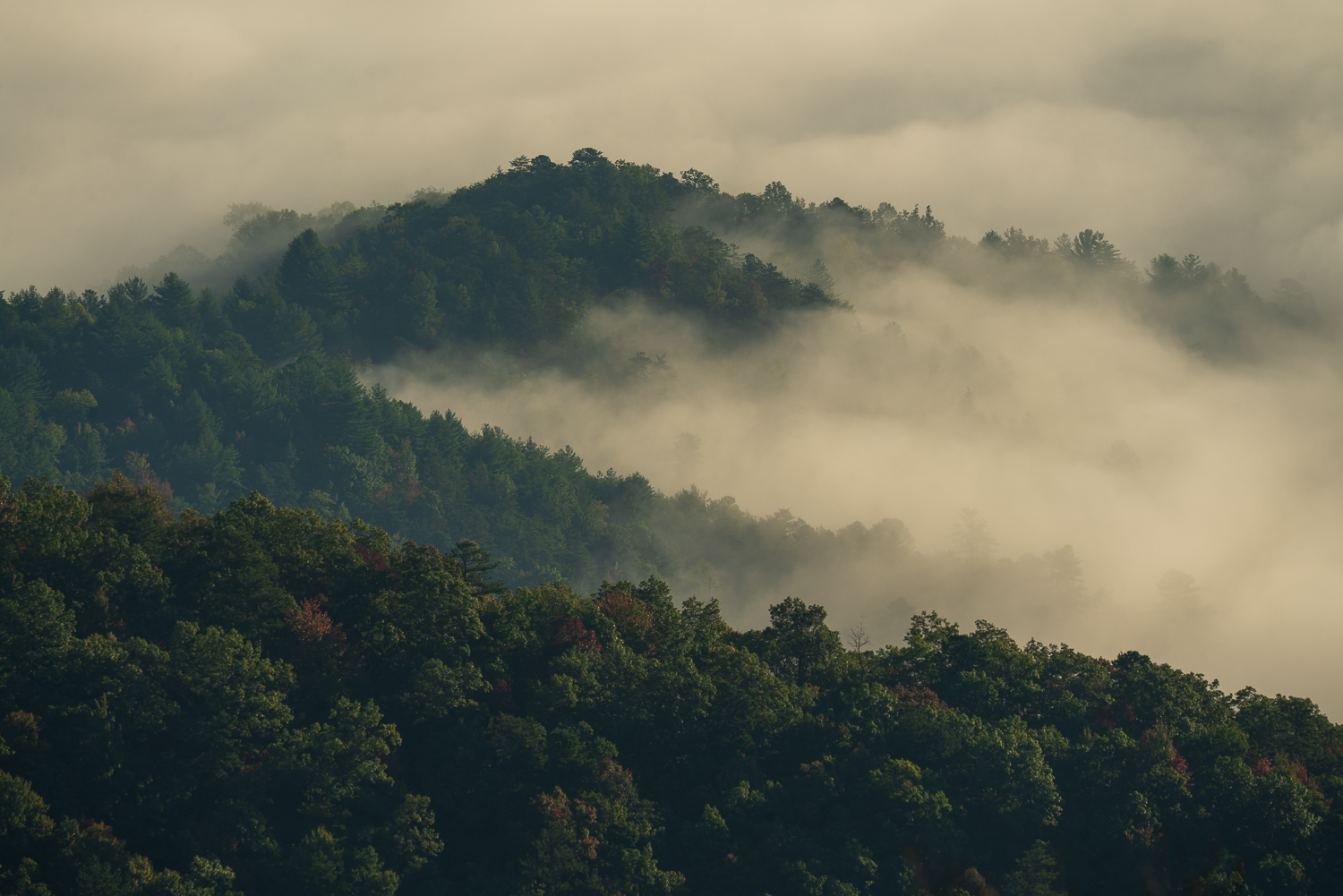
Each year, thousands of visitors travel to Western North Carolina for a chance to experience a glorious display of fall foliage in Asheville. The magic of autumn transforms the area into a spectacular canvas of crimson, gold, and amber hues. Thanks to the region’s varied elevations and diverse tree species, visitors enjoy one of the longest fall color seasons in North America. From late September through early November, the mountains come alive with vibrant fall foliage, creating perfect photo opportunities and memorable outdoor adventures. Here are ten places to visit on your Asheville in autumn adventure!

credit: Tanya Triber, Momento Mori Photography
The crown jewel of fall foliage viewing, the Blue Ridge Parkway offers breathtaking panoramic vistas of the color-drenched mountains. Pull off at overlooks to capture stunning photos, especially during peak colors in mid-October. The changing leaves create a mesmerizing tunnel of color as you wind through the mountains, making it an essential autumn experience.
America’s largest private residence provides a magnificent backdrop for fall color viewing. The estate’s 8,000 acres feature meticulously landscaped gardens and forested areas that burst with autumn colors. The combination of architectural grandeur and natural beauty makes this a must-visit destination, especially in mid-to-late October when the colors reach their peak.
Perched on Sunset Mountain, the historic Grove Park Inn offers spectacular views of the fall foliage against Asheville’s cityscape. Enjoy the autumn colors while relaxing on the sunset terrace with a warm beverage, or take a short walk on the property’s grounds to immerse yourself in the seasonal display.
This 10-acre sanctuary in the heart of Asheville showcases native plants in their autumn glory. The intimate setting allows visitors to appreciate the subtle variations in fall colors up close. Walking trails wind through the gardens, offering peaceful moments to connect with nature during peak foliage season.
Located near Hot Springs, this gentle riverside trail offers a unique vantage point for viewing fall foliage. The path follows the old railroad grade along the Laurel River, where golden light filters through the canopy of changing leaves. It’s an ideal spot for families and photographers seeking easily accessible fall color viewing.

credit: Tanya Triber, Momento Mori Photography
This challenging hike near Hot Springs rewards adventurous souls with 360-degree views of the surrounding mountains. The fire tower offers a bird’s-eye view of the rolling hills draped in autumn colors, making it worth the climb during peak foliage season.
Perfect for cyclists and walkers, the greenway offers riverside views of fall colors reflecting in the water. This urban trail system allows for easy access to autumn scenery without leaving the city, making it ideal for a quick foliage fix during your stay.
Located in Pisgah National Forest near Brevard, this picturesque spot offers perfect picnic opportunities surrounded by fall color. The sound of the river provides a peaceful backdrop as you enjoy lunch amid the changing leaves, creating an immersive autumn experience.
Combine fall color viewing with a classic autumn activity by visiting Henderson County’s apple orchards. The orchards offer stunning mountain views painted with fall colors, plus the chance to pick fresh apples and enjoy seasonal treats.
Experience fall color right outside your door when you stay at River Row Suites in Asheville’s vibrant River Arts District. Our location offers easy access to the French Broad River Greenway and spectacular views of the surrounding mountains draped in autumn colors.
Fall in Asheville offers an unparalleled opportunity to experience nature’s most colorful display. From scenic drives to peaceful hiking trails, each destination provides a unique perspective on the season’s beauty. The varied elevations around Asheville ensure an extended fall color season, typically peaking from early to mid-October in the higher elevations and continuing through early November in the valleys.
Make River Row Suites your home base for exploring fall foliage in Asheville. Our modern, eco-friendly accommodations in the heart of the River Arts District put you minutes away from downtown and the Blue Ridge Parkway. Each well-appointed suite features a full kitchen and comfortable king-size bed, perfect for relaxing after a day of leaf-peeping adventures.
Ready to experience Asheville’s spectacular fall foliage? Book your stay at River Row Suites today and position yourself perfectly for autumn adventure. Our knowledgeable staff can help you plan the perfect fall foliage itinerary.