
Every Asheville “best time to visit” list says the same thing: fall for foliage, summer for festivals, spring for wildflowers, winter for the holidays. All true, and all a little useless, because it doesn’t tell you what changes month to month, or which two weeks a local would actually pick if pressed. We’ve watched several years of guests come through the River Arts District, so this is the honest version: what each season actually feels like here, what it costs, and when the crowds thin out without the weather turning on you.
The short answer: the best overall time to visit Asheville is early-to-mid October for the color, or the shoulder weeks in late April through early May and mid-September, when the weather is close to fall’s but the crowds and prices haven’t caught up yet. Peak leaf season (roughly the third week of October) brings the best scenery and the highest prices of the year. If budget matters more than the exact conditions, January and February are the quietest and cheapest months, with real winter charm if you don’t mind cold mornings.
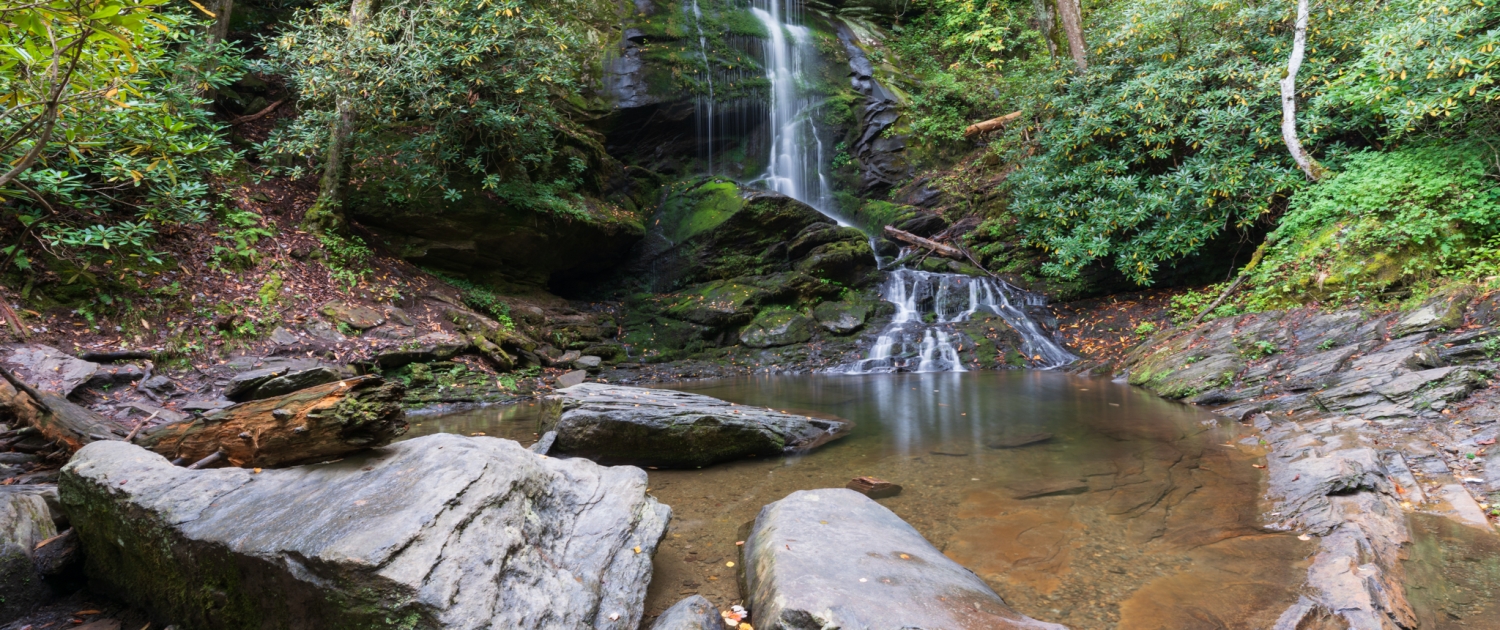
Spring (March–May): Mild, Green, and Getting Crowded by May
March starts cool and unpredictable, with highs in the 50s and 60s and the occasional late frost. By April, the mountains green up fast, and wildflowers start appearing along the Blue Ridge Parkway and the lower trails. May brings the most reliable warm-but-not-hot stretch of the year, with highs in the 70s and long, pleasant evenings.
The trade-off: Parkway sections above 4,000 feet can stay closed or icy into April, and spring rain is common, so pack for both sun and showers. Crowds build steadily through the season and peak around Memorial Day weekend. Best pick in this window: late April into the first two weeks of May, after the last frost risk and well before the Memorial Day rush.
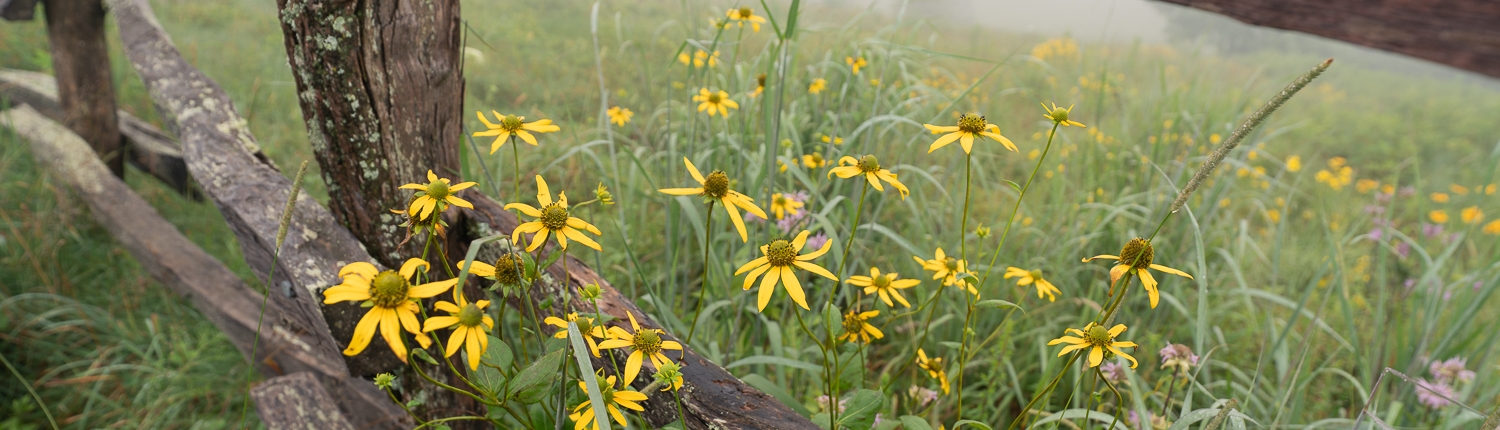
Summer (June–August): Warm, Busy, and the Best Base for Water and Waterfalls
Summer in Asheville starts warm and can become hot, with June highs typically in the low-to-mid 80s and cooler mornings that make an early trail start comfortable. July and August add several degrees of heat and increased humidity. This is prime season for tubing the French Broad, chasing waterfalls in Pisgah National Forest, and catching the region’s biggest concerts and festivals, but it’s also the most crowded and most expensive stretch of the year, especially around July 4th and any major concert weekend.
Afternoon thunderstorms are common in July and August; locals build outdoor plans around the morning and treat a 3 p.m. downpour as background noise rather than a reason to cancel. Booking two to three months out matters more in summer than in any other season if you want a specific date.
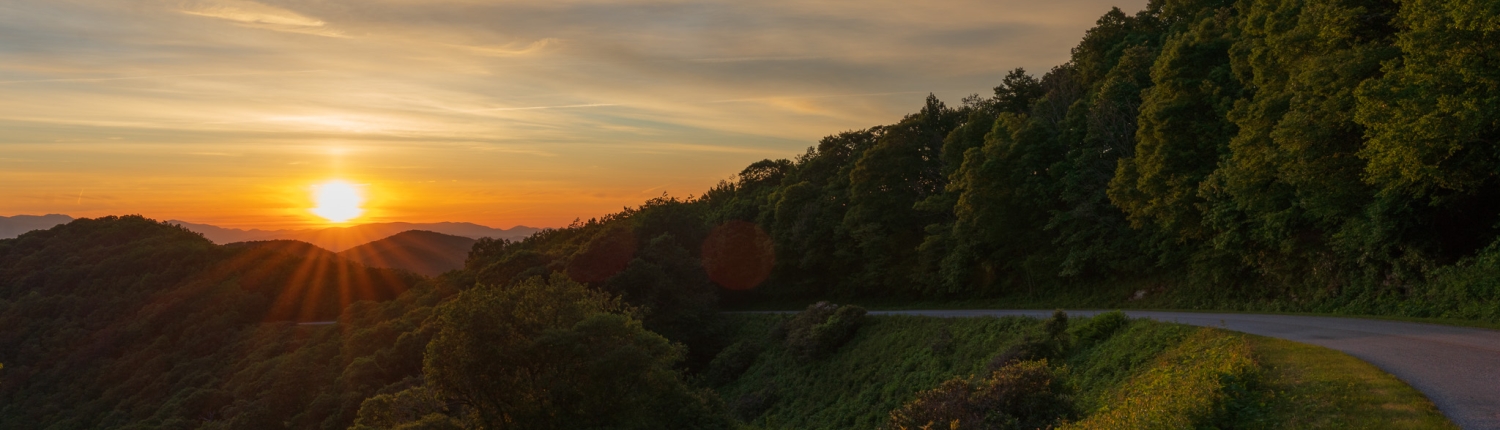
Fall (September–November): The Main Event, and the Most Expensive Weeks of the Year
Fall is why most people finally book the trip they’ve been putting off. Color doesn’t hit all at once. It starts above 5,000 feet in late September, moves down through the mid-elevations across October, and reaches Asheville itself (around 2,100 feet) in the last week of October into early November. That gradual descent means a month-long window rather than one weekend to chase, but the third week of October, when the color reaches the most-photographed overlooks and the city itself, is the tightest and busiest stretch of the year for both hotel rates and Parkway traffic.
September is the sleeper pick: summer heat has broken, the leaves haven’t turned yet, festival season is still going, and rates haven’t jumped to peak-fall pricing. Early November, once peak leaf season passes, offers a similar trade: quieter trails, lower prices, and color still holding at the lower elevations.
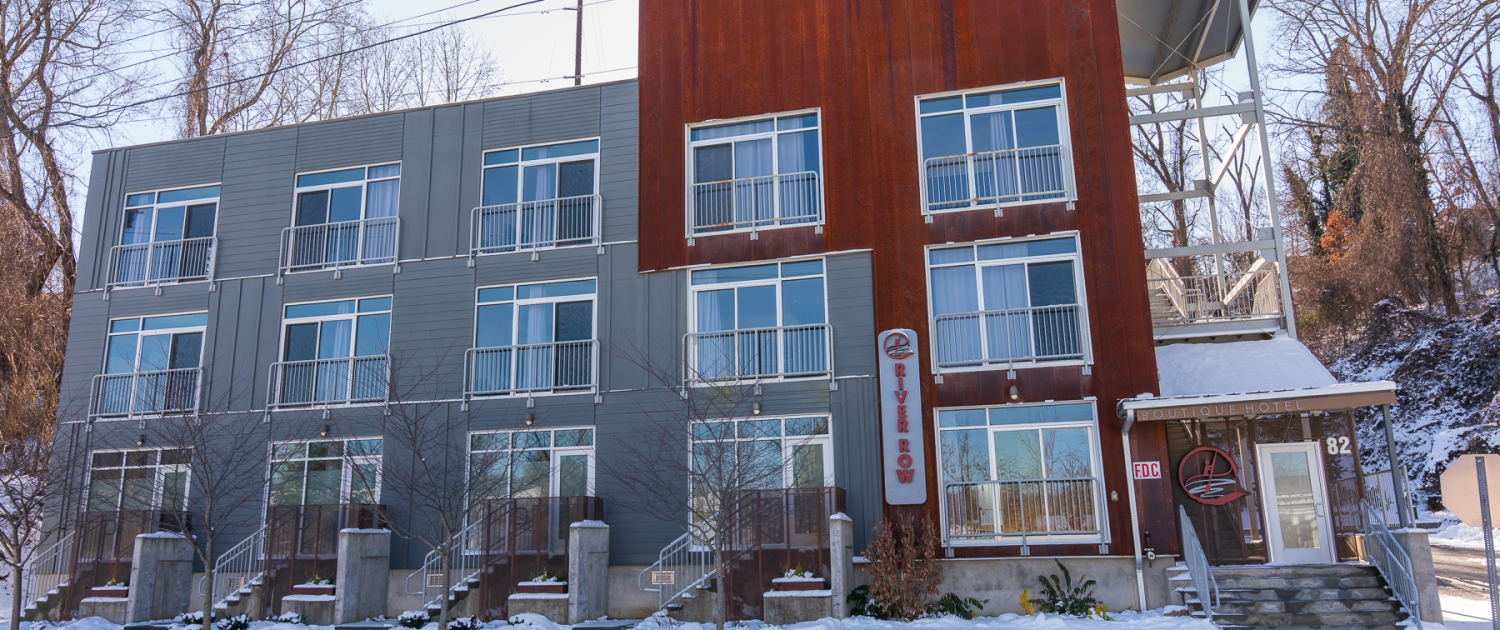
Winter (December–February): Quiet, Cheap, and Better Than Its Reputation
Winter is Asheville’s off-season, and it shows in the numbers: the lowest hotel rates of the year, easy dinner reservations, and trails you might have mostly to yourself. Highs run in the 40s and low 50s, with overnight lows regularly dropping into the 20s, and an occasional snow event that shuts the city down for a day or two (Asheville doesn’t own enough plows for much more than that). December carries a spike around the holidays, driven largely by Christmas at Biltmore, but January and February are the two quietest, least expensive months on the calendar.
This is also ski season. Four ski areas sit within roughly 30 minutes to two hours of the city, so a winter base in Asheville works for a mountain-town trip without actually staying at 5,000 feet.
The Two Weeks a Local Would Actually Book
If someone asked us to pick, without hedging: the last week of September into the first week of October, before the leaf-peeping crowds arrive but with the air already turning crisp, or the first two weeks of May, after the frost risk passes and before the Memorial Day rush. Both weeks get you Asheville at its best without paying October’s prices or fighting October’s traffic.

Planning Around It
Whatever month you land on, a few things hold steady. Weekday stays are less expensive than weekends in every season, and River Row’s suites include a full kitchen and parking on site, which matters more in the shoulder and off-season months when a slower pace and a home-cooked breakfast beat another restaurant reservation. Book one to two months out for a fall or summer weekend; one to two weeks is usually plenty for a winter or early-spring trip.
Frequently Asked Questions
What is the cheapest month to visit Asheville?
January and February consistently run the lowest hotel rates of the year, followed by early March before spring break travel picks up.
Is Asheville worth visiting in winter?
Yes. Winter brings the fewest crowds, the lowest prices, easy restaurant reservations, and access to four ski areas within about 30 minutes to two hours, plus the Christmas at Biltmore season through early January.
What is the best month for fall foliage in Asheville?
Peak color in Asheville itself typically arrives in the last week of October into the first week of November, with the high country above 5,000 feet turning first, in late September and early October.
Is September or October better for visiting Asheville?
September offers warm days, fewer crowds, and lower prices with festival season still active. October brings the payoff of full fall color, along with the year’s highest rates and heaviest traffic, especially in the third week.
Planning a fall trip? Pair this with our Asheville Fall Color guide for exact overlooks and timing. Coming in winter? See Winter in Asheville: Cozy Activities and Winter Adventures Near Asheville for what’s open in the cold months.

 Tanya Triber
 Tanya Triber | Momento Mori Photography